

Hiking usually means walking in nature, whether it’s on trails through forests, deserts, and jungles or along beachside cliffs, creeks and rivers, and volcanic calderas. The point is to spend time in nature and walk. That’s hiking. Right?
To me, hiking is exploration via bipedalism. As obligate bipeds, we spent almost all of our history walking around from here to there, exploring the wider world and eventually conquering it. That is hiking. Hiking is in our blood. And as long as you have that spirit of adventure and exploration, you can hike anywhere through any setting.
Even the city. Yes, urban hiking is real and legitimate. Allow me to explain why hiking through the city counts.
Urban hiking isn’t quite the same as hiking in nature. There are some unique benefits to traditional hiking through nature:
Exposure to the smells and sounds of the trees and the birds, which can have physiological benefits and reduce stress levels.
Connection to the earth and trees, even taking your shoes off to feel and connect with the moist soil underfoot—grounding, exchanging ions to reduce inflammation and oxidative stress.
You don’t get those in urban hiking, but what you do get are the same benefits of moving through the world and accruing steps, the benefit of simply being outside, exposed to sunlight and natural light in all its glory, which improves circadian rhythm and helps you get to bed at a better time at night. Being exposed to natural light, whether it’s in a forest, at the beach, or in a city, makes you more resistant to the effects of blue light on melatonin at night.
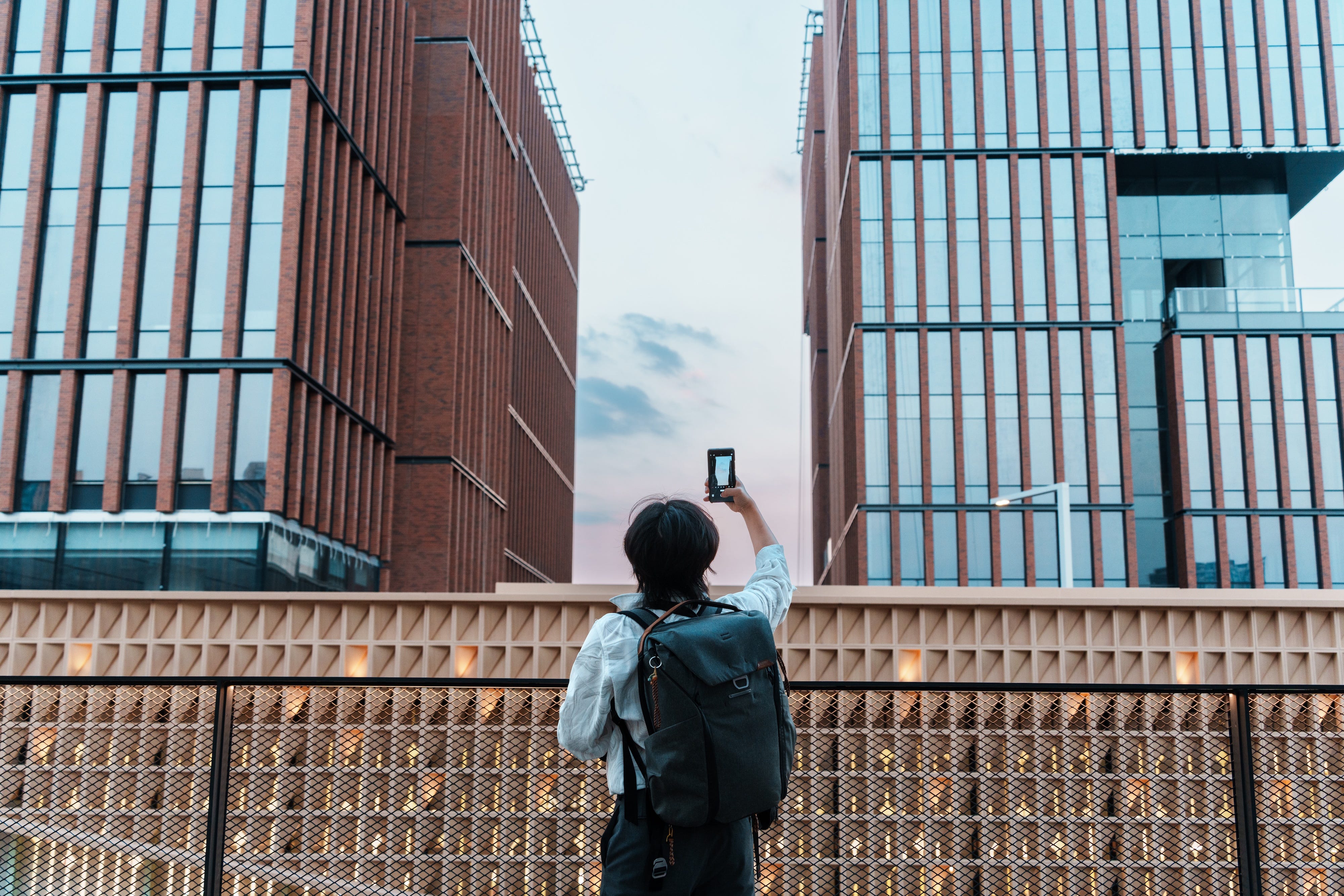
Unique Benefits of Urban Hiking
Even though you lose out on some of the nature-related benefits, you get many of the same ones, plus unique effects that arguably can’t be found outside of an urban environment. There’s something special about the mental stimulation and engagement of exploring a city on foot. And those are not small things; those are important.
Novelty itself can have a beneficial effect on the way we perceive the passage of time. Studies show that when you are exposed to novel situations, the way your brain interacts with time changes; time extends, and you feel like you are living longer and getting more out of every moment. Urban hiking, especially for someone who doesn’t do it all the time and does most of their hiking out in nature, can be an incredibly novel experience that just makes life more interesting and breaks up the monotony of doing the same thing every day.
How to Urban Hike the Right Way
Probably my favorite way to get to know a new city or revisit a much-loved one is to wake up early in the morning, have a cup of coffee somewhere, and then spend as long as I can walking around all day. This is an integral part of my jet lag protocol. I arrive in the new city, in the new time zone, and spend the day walking as much as possible in the sunlight, only stopping when nighttime in the new time zone approaches, and it's time to sleep. This is a great way to not only get your bearings in a new city but to also reestablish your circadian rhythm in accordance with the new time zone.
It isn't the same to have a list of places you want to see and then hop in an Uber, taxi, or bus and being whisked from place to place, skipping everything in between. Sure, it takes a bit longer when you walk, and you have a much shorter range you can cover in a day, but you experience the city as it was meant to be experienced. Especially in some of those older East Coast cities or European cities that were built with pedestrians in mind—you have to walk those to really get a sense of what the city is all about. You could be walking through Istanbul over 600-year-old stones, knowing that emperors, sultans, fanatics, and invaders all walked these streets. It just isn't the same to cover them in a car at 40 miles an hour.
Consider that this works for a city you’re familiar with, too. Oftentimes the cities in which we live are the ones we never actually explore. We’re “too familiar” in that we never even think to take the time to wander its streets. We have predetermined “routes” that we always take to get to where we’re going. You think you know a city when you’ve really only experienced 1-2% of what it has to offer. When you pick an area and walk it, covering as much of an area as you can, it seeps into your pores. That’s hiking.
Focus on the richness of the urban hiking experience rather than the distance. Don’t seek out landmarks to check them off the list. Instead, stumble upon them as you wander around. Go in with an open, almost empty mind and zero specific expectations you’ll be truly surprised by what you find.
If you can, do it with your phone on airplane mode. Don’t use the map app. Try to feel your way through the hike. Reclaim the wayfaring abilities we humans pride ourselves on but that have fallen by the wayside in the age of the smartphone. After all, it’s the city so you have service if you really need directions. It’s not like you’re going to get lost.
Make stops. Frequent stops. If you see a cool looking cafe, stop by for a coffee. If you’re hungry, rather than pack snacks, stop at an interesting restaurant you’ve never tried. If you see live music playing or an art show, consider stopping for a bit. Most of all, just be open to experience.
Urban hiking could never replace hiking in nature, but neither can hiking in nature replicate the urban hiking experience. Both are good. Both are healthy, beneficial, and an essential part of being human.
Tell me: where is the best urban environment you have ever hiked?
Mark’s Daily Apple is still under construction. My team and I are actively working to repost the archives. Check back regularly to find posts that are new to you and revisit old favorites. Looking for a specific post? Let us know here.
You can help more people find us by spreading the word:

* This blog reflects my personal views and opinions and isn’t intended as medical advice, but I hope it will be informative and inspiring as you pursue a healthy, fulfilling life.