

The foundation of a Primal diet is choosing the healthiest, most nutritious, freshest, highest-quality foods possible—the meat, fish, fowl, eggs, produce, nuts, seeds, and optional dairy that are the basis of a species-appropriate human diet. Then, because we are sensory creatures with a bit of a hedonistic streak, we add sensible indulgences like coffee and dark chocolate, good wine if that’s your thing, and the occasional non-Primal splurge.
What you eat takes precedence over everything else. If that’s all you ever focused on, you’d be doing better than most of the population.
Once you broke free of carb dependency and developed metabolic flexibility, you could trust your body to tell you what it needs. Over time, you would naturally fall into a pattern of eating that suited your lifestyle.
However, I find that most people, when they make a commitment to following the Primal Blueprint, want to see how far they can take it. Once they discover how good they feel just from choosing Primal foods, it’s natural to ask whether there are additional levels of health and vitality waiting to be unlocked. This is where practices like intermittent fasting and experimenting with macronutrients come in.
Although the Primal Blueprint doesn’t prescribe specific macronutrient ratios, there are some best practices to consider here. Let’s dive in.
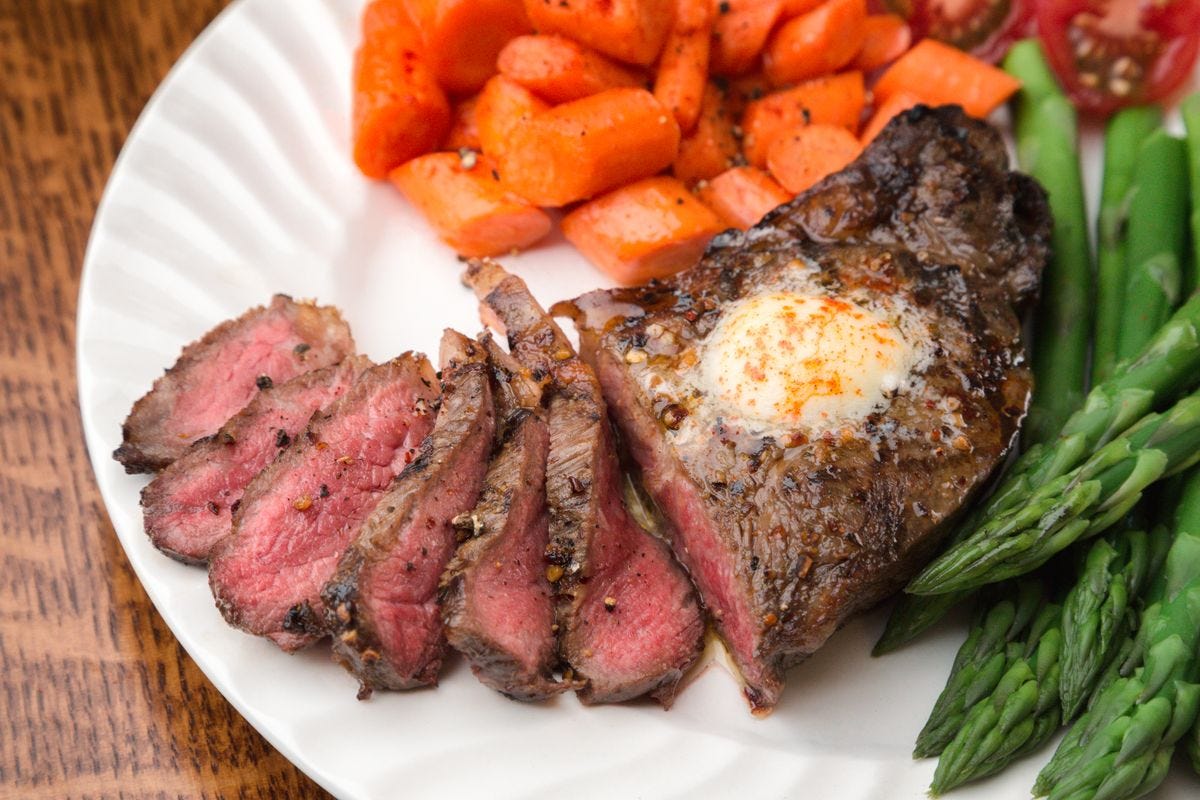
What Are Macronutrients?
First, some basic terminology. Macronutrients, or “macros,” are the protein, carbohydrates, and fats in the foods you eat. These are the building blocks and energy substrates, separate from the water, vitamins, minerals, antioxidants, and other compounds, including artificial ingredients, present in food.
The calories in your food come from the macronutrients, with protein and carbohydrates each providing 4 calories per gram and fat providing 9 calories per gram.
Now I have a real problem with this. The body wants to burn fat and glucose (from carbs) for energy, but protein will always go first towards muscle protein synthesis and repair, or building cells, hormones, and enzymes. In that context, it hardly seems fair to assign it a “burn rate” of 4 calories per gram. It’s like saying the 2×4 studs that support the walls of your house can burn nicely if you run out of firewood. They will, but that’s hardly the point.
Nevertheless, that’s how the math is done.
So let’s say you’re interested in conducting some sort of n=1 nutritional experiment. Maybe you want to up your protein intake during a hypertrophy cycle or drop your carbs to go keto. To determine how many grams of protein, carbs, and fat you’re consuming—and, therefore, how many calories you’re taking in—you’ll need to input all of your food into a tracker like Cronometer or My Fitness Pal. Tracking your food is tedious if you do it right, but the data can be eye opening. Most people don’t have a clue how much they’re actually eating.
Once you’ve established a baseline, you can proceed to adjust your intake of certain macros up or down. As I said, the Primal Blueprint doesn’t specify exact macros to aim for, but here are some things to consider.
Macronutrients in the Primal Diet
1. Start with protein
Of the three macronutrients, protein takes priority in my book. So much of the work I do comes down to one goal: maximizing healthspan. In other words, staying fit, healthy, and cognitively sharp for as long as possible. A cornerstone of that is maintaining mobility and strength and staving off age-related muscle loss and frailty. To do that, you need two things: building blocks (amino acids from protein) and stimuli that tell your body to invest in bone and muscle (exercise).
For the average person, 0.7-1.0 grams of protein per pound of body weight (1.6-2.2 g/kg) is a good target.
You can go higher than that if you want, and there may be some benefit, but this is a good starting point. Taking in a lot more than that isn’t dangerous, but you’ll soon start to see diminishing returns.
Whenever I write about protein, I always get a bunch of follow-up questions: Should I use current body weight, lean body mass, or ideal body weight? How do age and gender factor in?
I’ve written extensively in other posts about how much protein you should be eating if you’re an athlete or a person trying to lose weight, for example. The numbers vary somewhat, but if you’re in the range of 1 gram per pound of body weight, you’ll be fine. Likewise, if you do your calculations based on lean body mass instead of total body mass, you’ll fall in a similar range, especially if you’re already on the leaner side. Take a 180-pound individual who carries 20 percent body fat. The math works out to 126-180 grams per day based on total body weight or 100-144 grams per day based on lean body mass. Not terribly different.
Also, don’t stress about getting the exact same amount of protein every day. Look at your protein intake across the past three to five days. Are you averaging around 1 gram per pound per day? Then you’re in good shape.
What about collagen?
I’ve said many times that collagen should be classified as a macronutrient all its own. Collagen is a protein, being composed of amino acids, but it’s not a complete protein since it lacks tryptophan. As a general rule, you’re not supposed to count collagen toward your total protein intake when tracking your food, but I don’t fully agree with that. Collagen is protein. The amino acids are the same amino acids you’d get from a steak, though in different proportions.
I doubt too many people are using collagen peptides as a primary source of protein in their diets, but it’s probably worth stating: most of your protein needs should be met using complete protein from whole food sources.
2. Set your carbohydrate intake
The Primal diet falls naturally on the lower-carbohydrate end of the spectrum compared to a typical modern diet. A person consuming a Standard American Diet can easily top 300 or 400 grams of carbs by dinnertime thanks to grains, sugar-sweetened beverages, and processed snack foods. In contrast, it’s tough to exceed 100 grams of carbs eating Primal foods, even with tons of colorful above-ground vegetables. Even if you eat a fair amount of fruit or starchy vegetables, you’ll be hard-pressed to exceed 150 grams of carbs on average per day.
I’ve found that under 150 grams of carbs per day is most folks’ sweet spot for easily maintaining body composition and having plenty of energy.
However, if you specifically want to get into ketosis, you’ll need to drop below 50 grams per day, and you’ll need to be strict about it.
On the other hand, endurance athletes who consistently burn a lot of calories and dip into glycogen stores on a regular basis might benefit from eating more carbs from additional fruits, tubers, and root vegetables, perhaps even some rice or oats. This isn’t mandatory, mind you. Plenty of athletes feel and perform great on moderate-carb or ketogenic diets. But super-active folks are also “earning” their carbs and shouldn’t be afraid to experiment with higher intakes, especially around tough workouts and competitions.
Do you need to concern yourself with net versus total carbs?
I don’t. Net carbs are just the total carbs in your food minus the fiber. The great thing about eating Primally is that you don’t have to fuss about these kinds of details.
Net carbs are really only relevant within the context of a keto diet, where you might want to distinguish between digestible carbohydrates, which are converted into glucose, and fiber, which does not impact insulin levels. In The Keto Reset Diet, I suggested that you don’t have to count carbs from above-ground non-starchy vegetables and avocados since their glucose/insulin impact is minimal thanks to their fiber content. Even that is optional, though. For tracking purposes, it’s easier to just cap your total daily carb intake at 50 grams per day and be done with it.
3. Leverage fat
Once you’ve established your protein and carbohydrate intake, fat becomes the macro you leverage to increase or decrease energy (caloric) intake.
Let’s say you typically eat 150 grams of protein a day and 100 grams of carbs. Each provides 4 calories per gram, so that’s 1,000 calories per day so far from those two macronutrients. The rest will come from fat at 9 calories per gram.
A primary goal of the Primal Blueprint is to turn you into a fat-burning machine, meaning that your cells are highly efficient at using fat for energy instead of relying heavily on glucose. That fat can come from your plate or your own adipose tissue. If you’re a smaller, moderately active woman who is trying to burn through some excess body fat, you might aim for an additional 500-800 calories per day, or 55-90 grams of fat, roughly. But if you’re a larger man who is aiming for a caloric excess during a bulking phase, you might need an additional 2,000 calories. Perhaps you bump your protein up by 50 grams, but that’s only 200 calories, and remember, protein isn’t the most efficient fuel anyway. In any case, this guy will need to consume closer to 200 grams of fat per day to hit his goal.
Putting It All Together
You never have to bother with macros on a Primal diet, particularly not if you are happy with your current body composition, performance in the gym, and general health. But, if you’re struggling to reduce those stubborn fat stores, you’re having a hard time gaining muscle, or you otherwise feel that your health could be better, AND you’re already eating Primally, playing around with the macronutrient composition of your diet could be a worthwhile endeavor.
That last caveat is important. For folks coming from a standard modern diet, ditching grains, sugars, and sketchy oils is going to move the needle more than ratcheting fat intake up or down by 20 grams or whatever. Now, if your blood sugar is through the roof and you’re on a litany of meds for type 2 diabetes, getting carb intake down is also going to be a top priority. (In that case, make sure your doctor knows that you’re changing your diet, as you’ll likely need to adjust your medications concurrently.)
In short, you’ll get more bang for your buck by getting the major Primal pillars of nutrition, movement, and lifestyle dialed in first before experimenting with meal timing, fasting, macros, etc. Lay the right foundation first, and then these details can turn your results from great to outstanding.
Thank you for reading!
Mark’s Daily Apple is still under construction. My team and I are actively working to repost the archives. Check back regularly to find posts that are new to you and revisit old favorites. Looking for a specific post? Let us know here.
You can help more people find us by spreading the word:
And make sure you’re subscribed!
* This blog reflects my personal views and opinions and isn’t intended as medical advice, but I hope it will be informative and inspiring as you pursue a healthy, fulfilling life.
Love to see you back.
Dr. Mercola is suddenly saying 250 g carbs is optimal, what do you think about that?