

Contrary to popular opinion, ancestral populations of humans had far more leisure time than most people have now. Obtaining food, water, and shelter didn’t take more than a few hours most days, so there was a lot of down time. And a large portion of that free time was devoted to playing—Primal Law #7 of Primal Blueprint Movement. This is what we see in the closest living approximations of ancient hunter-gatherers—the modern HGs living in Tanzania. They hang out, laugh, and play games for a huge portion of the day.
In fact, one of the most consistent observations across a wide variety of mammals is that they play. Cats, rats, and mice play. Monkeys and apes definitely play. Aquatic mammals, like dolphins and orcas, play. And humans play. That means the common ancestor of mammals was probably a big player, too, and that play confers some evolutionary benefit to fitness. Otherwise, it wouldn’t have been preserved.
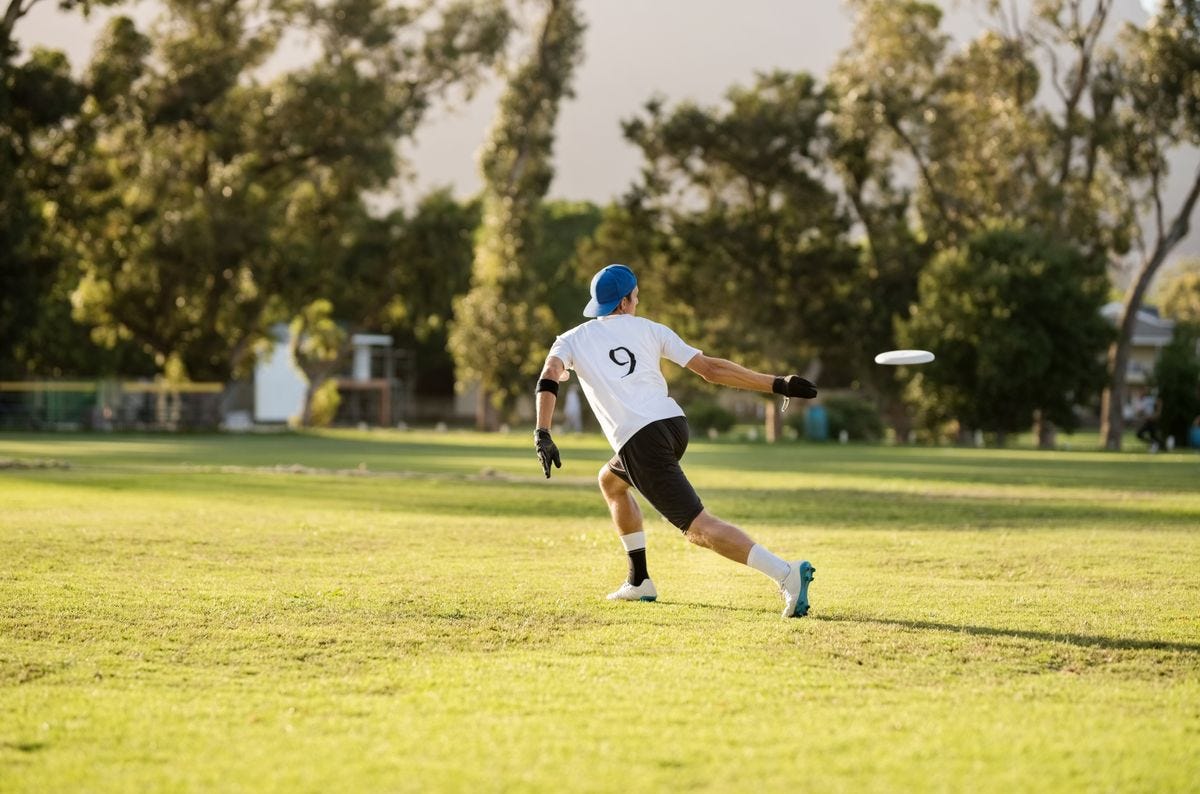
What is Play?
The official definition of play:
It’s fun and intrinsically pleasurable.
It’s voluntary.
It has no obvious survival value.
Diminishes your sensation of time—time flies. Flow state.
It’s improvisational.
The interesting thing about play is that it is metabolically costly. It expends energy that could otherwise be dedicated to obtaining calories, securing shelter, or, in today’s world, making money. Play doesn’t come free in other words, and it doesn’t offer any direct material benefits, so why do we do it?
Benefits of Play
Studies in animals find that play “prunes” the cerebellum as they mature. It weeds out the immaterial or counterproductive connections in the brain and establishes the pathways that work, make sense, and help fitness. Rats in one study who didn’t play as pups had less efficient cerebral pruning than the rats who got to play.
In kids, play teaches them how to deal with other people. How to give and take, how to lose well and be magnanimous in victory. If you can play games and have fun without burning bridges, you’ll have friends—it’s grade school networking.
As adults, play is how we maintain connections. It breaks boundaries between people, and, maybe more importantly, boundaries within us.
Play also increases neuroplasticity. To enter into situations that require spontaneous reactions and improvisation and incorporate physical movement, the brain has to adjust. It has to coordinate different regions and trailblaze new pathways. Play is like training free weights for the mind.
Play can also be a great way to stay in physical shape. If you can turn your fitness practice into play, it stops being work. You no longer have to force yourself to “train,” because now you’re playing. Something like an obstacle course is a great way to exercise without realizing you’re doing it.
Play keeps you young. It creates a gene expression signal of “this person is young, vibrant, and full of life.”
Finally and most importantly, it’s fun. Fun isn’t unimportant. Fun is good for its own sake—it keeps us wanting to stay alive.
Thank you for reading!
Mark’s Daily Apple is still under construction. My team and I are actively working to repost the archives. Check back regularly to find posts that are new to you and revisit old favorites. Looking for a specific post? Let us know here.
You can help more people find us by spreading the word:
And make sure you’re subscribed!
* This blog reflects my personal views and opinions and isn’t intended as medical advice, but I hope it will be informative and inspiring as you pursue a healthy, fulfilling life.