5 May

The Definitive Guide to Sugar

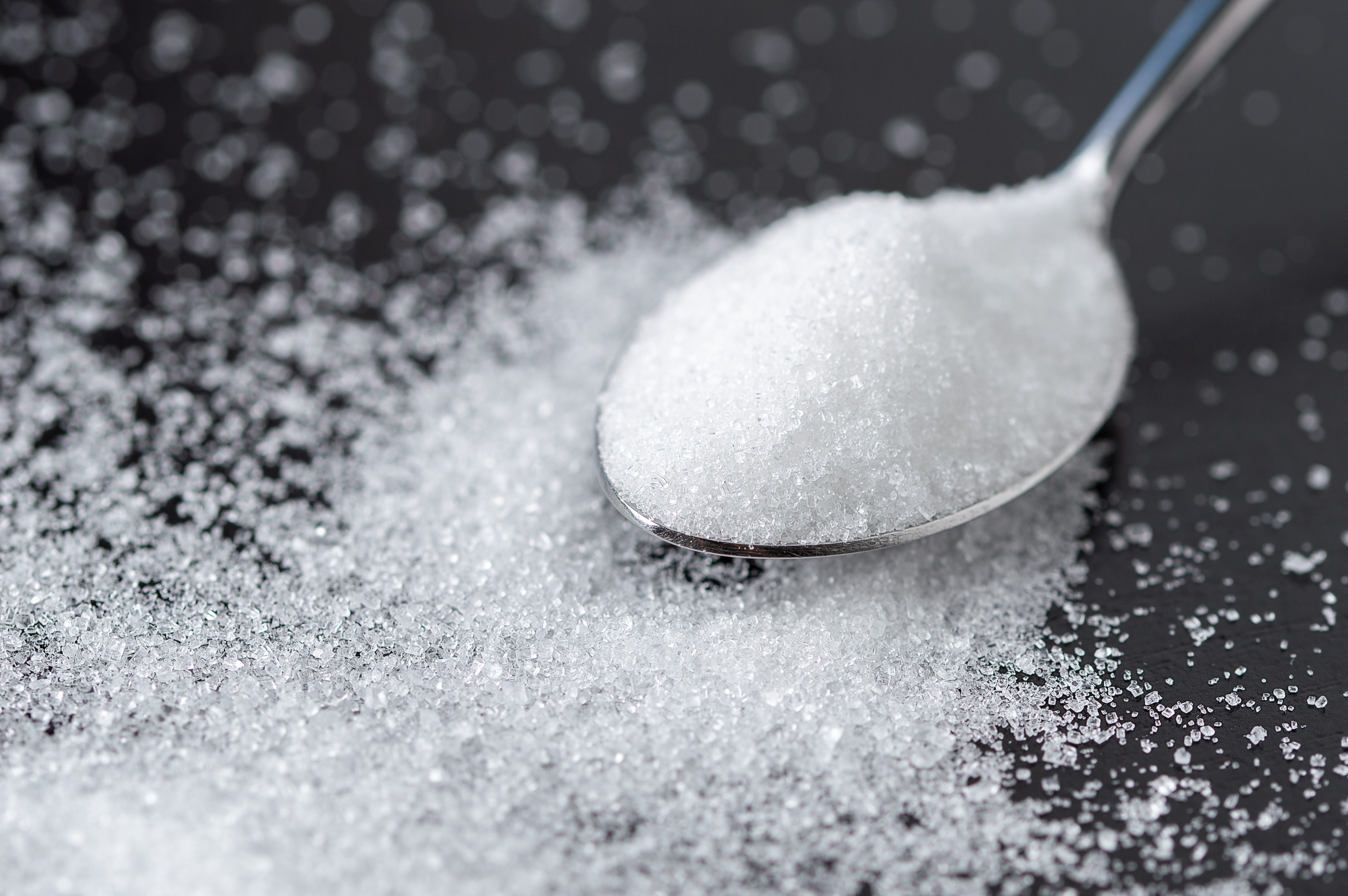
tablesugarYou’d think this post would come with a blaring alarm, flashing strobe light or at least an ominous gong. Sugar, after all, gets little welcome around these parts. It’s on one hand a dastardly devil, shameless snare for many a man, woman and child. Beyond this luring, ignoble reputation, however, you’ll find (as is so often the case in life and biology) the story is a bit more complicated – and compelling – than the proverbial black hat. Sugar comes in many forms of course, and each of these leaves a certain amount of damage and destruction in its path. Yet, what do we do when sugar naturally accompanies some of the healthiest fare out there? Do we forgo it altogether when a touch ties an otherwise good Primal recipe together? Are the typical substitutions any better when we choose to use a sweetener? We’ve covered the artificial options in the past, but today I’ll give several natural varieties of sugar their due – the obligatory facts, the practical details and a final Primal analysis.
Why Avoid Sugar?

How could I possibly talk sugar without the warning? If you’ve spent any time around MDA, you likely know the drill. Despite its beloved place (not to mention omnipresence) in our culinary culture, sugar offers the following gifts that keep on giving:

Yes, sugar is one insanely powerful drug. Addictive, to boot.

Different Types of Sugar

Public service message aside, let’s get into the nitty-gritty now. Chemically speaking, there are different kinds of sugar. The natural sweeteners and sugary foods we eat contain varying proportions of these. Let’s look at a few of the most common forms.

Glucose

Glucose is the cornerstone of most carbohydrates. It’s a monosaccharide that often combines with and creates other forms of sugar (e.g. sucrose, lactose). In plants, glucose is formed through photosynthesis and stored as starch. In our own bodies, glucose is a precursor for (and product of) glycogen. It’s the common currency of carb-based fuels. In fact, our bodies manufacture glucose (through gluconeogenesis) when our blood levels get too low. Dextrose, a common isomer (same formula, different structure) of glucose, is also referred to as dextroglucose or glucose. Insulin directs glucose processing in the body when blood glucose is already sufficient or high. Glucose supply can be routed to cells throughout the body (e.g. brain cells, red blood cells, etc.) and used right away for energy, or it can be condensed and stored in both the liver and muscle as glycogen for later use. Maltose is a disaccharide joining two glucose molecules. Although it is significantly less sweet (about half of glucose’s sweetness), it is metabolized in the same way glucose is.

Fructose

Then there’s fructose, which is an isomer of glucose. It’s also called crystalline fructose, laevulose/levulose, or fruit sugar. (Crystalline fructose isn’t the same as the manufactured concoction called high fructose corn syrup. We’ll get to that one shortly.)

Some people have a harder time digesting fructose than others. Fructose (in the form of certain fruits, corn syrup, etc.) can cause everything from bloating to diarrhea in these folks. Some experts argue that fructose is a better choice for those with diabetes/insulin resistance because it’s more densely sweet, which encourages people to use less. It also has a lower glycemic value than glucose or sucrose. Indeed, fructose raises insulin less than glucose; however, fructose results in higher ghrelin levels, which boost rather than suppress appetite like insulin does. It also appears to throw off mineral levels (PDF) in the body. Finally, fructose is processed almost solely by the liver. There is some evidence that this concentrated burden on the liver over time can contribute to non-alcoholic fatty liver disease. The liver’s metabolism of fructose also produces uric acid, a predictor of cardiovascular disease. Fructose appears to be some pretty nasty stuff. For more information on fructose see Dr. Lustig’s video presentation, Sugar: The Bitter Truth, and then follow it up with a counter-perspective from Don Matesz: Paleo Basics: Fact vs. Fiction.

Sucrose

Sucrose is a disaccharide sugar comprised of fructose and glucose in a 1:1 ratio. It’s perhaps the most familiar of the sugars, since sucrose is also known as table sugar. Although it’s found in fruit and other plants (often with varying amounts of free fructose), sugar cane and sugar beets are the most popular sources for commercial production. Given that sucrose contains a large amount of fructose, it shows similar metabolic patterns to the monosaccharide fructose and particularly to high fructose corn syrup, which is commonly blended to an approximate 55% fructose: 45% glucose mixture.

Common Sugar Sweeteners

Now that we’ve covered the basics on the most common sugars, there’s the question of how all this plays out in our everyday choices. Clearly, we want to avoid sugar as a whole, but few of us achieve full sugar abstinence 100% of the time. Consider this run-through a quick and dirty snapshot of common sweeteners that can inform your decision-making.

Glucose Syrup/Corn Syrup

Glucose syrup in this country is usually made from corn, but it can be produced from other starches like potatoes and rice. Chemically speaking, true glucose syrup/corn syrup consists mainly of glucose sugar; however, some companies like Karo add fructose to their products. It’s commonly used as a sweetener plus emulsifier for food items that require a smooth texture like hard candy. Although glucose itself rates a 100 on the glycemic scale, corn syrup generally falls around 75.

HFCS

Like corn syrup, high fructose corn syrup (HFCS) is produced from corn starch; however, the manufacturing process deliberately converts a certain percentage of initial glucose into fructose. The two most common HFCS mixtures are HFCS-55 (containing 55% fructose) and HFCS-42, the former typically added to sodas and the latter added to other processed foods. The presence of fructose in HFCS appears to be key behind its myriad of negative health effects. Fructose content not only contributes to liver disease but lowers HDL levels while increasing small, dense (and more dangerous) LDL particles. As mentioned earlier, fructose also doesn’t flip the hormonal satiation switch as glucose does. Finally, the HFCS industry has been haunted by evidence of mercury contamination related to its production techniques.

Table Sugar/Sucrose

As mentioned, table sugar is actually a 1:1 combination of glucose and fructose and is metabolized in much the same way as HFCS. It’s GI measures around 64. One potential advantage of table sugar over HFCS is the absence of risk for mercury contamination.

Fruit Sugar

Even if you’ve sworn off adding sweetener of any kind to any food ever, there’s the question of fruit. Although the PB advises moderation and selectivity for most nutritional bang for the sugar buck, the best Primal fruits offer some of the highest ORAC values you can get from anything. Is it really necessary to swear off even nutritional powerhouses like berries and cherries to avoid their natural sugar content? The picture gets further complicated by the fact that “fruit sugar” doesn’t exist as a consistent chemical formula. Different fruits contain varying ratios of fructose, glucose and sucrose. Higher fructose-containing fruits include apples and pears, mangos and papaya, while relatively lower fructose fruits include cherries, figs, plums, kiwi, fresh and dried apricots, dried prunes and bananas. Keep in mind, however, that lower fructose ratio fruits can be higher in total sugar.

Raw Honey

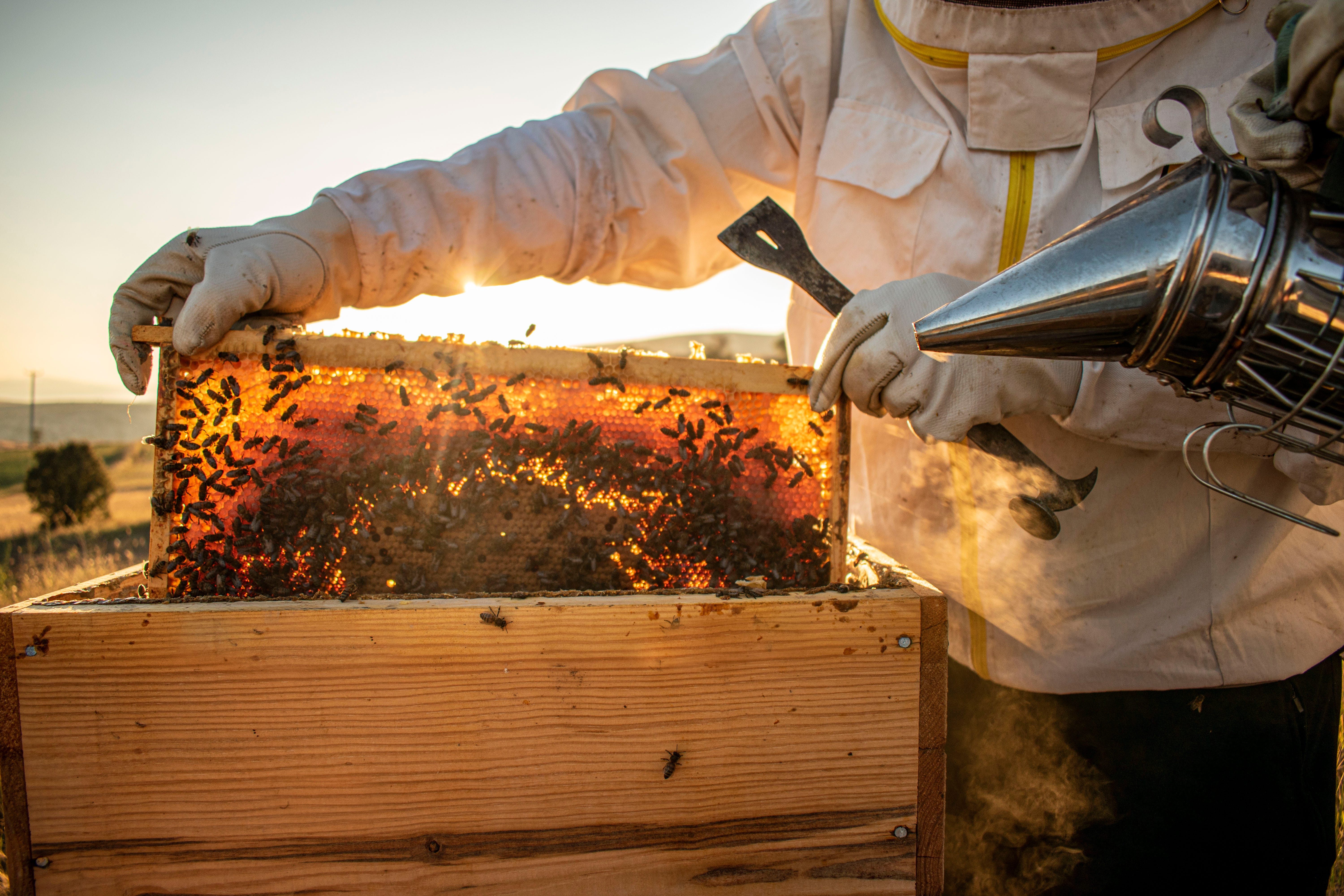
Honey consists of dextrose and fructose (broken down from sucrose through honey bee’s digestion) in a nearly 1:1 ratio (with other components such as water, wax, nutrients, etc.). Raw honey has a glycemic index of about 30, but processed honey clocks in around 75. Those who have a harder time digesting fructose can often tolerate honey. Although conventional processing destroys much of honey’s natural benefits, raw honey serves up a (many claim therapeutic) dose of antioxidants, minerals, vitamins, amino acids, and enzymes.
Maple Syrup

Maple syrup is boiled and refined sap from maple trees. It has a GI of 54 and is low in free fructose but high in the fructose-glucose disaccharide sucrose. Nutritionally speaking, it contains manganese, iron and calcium.

Molasses

Although molasses has a fairly equal fructose-glucose ratio (half in free fructose/free glucose and half in disaccharide sucrose), it offers the nutrients extracted in table sugar production: iron, calcium, magnesium, potassium, phosphorus, copper and zinc.

Agave Nectar

The last few year have marked agave nectar’s time in the sun, so to speak. The sweetener has enjoyed growing popularity for some time, but experts are beginning to question whether agave nectar lives up to its reputation. Agave nectar is often heralded as low on the glycemic index (15), however, processing techniques result in a 75% or more fructose content. Given the increasing strikes against fructose, it’s harder to justify use of a higher fructose sweetener without significant nutritional benefit.

Palm Sugar/Coconut Sugar

An up and coming (in this country) sweetener is coconut sugar. The sugar is actually made from a variety of palm sources, but the palm and coconut labels are used (albeit mistakenly) interchangeably. It’s largely sucrose-based and registers in the 30s/40s on the GI. The taste is relatively light from what I understand, and the nutritional profile is worth noting.

There you go, folks. Information is power when it comes to your health, and I hope this list offered good food for thought. Here’s my analysis. When you are choosing whether/how to include sugars in your Primal diet, I’d suggest paying closest attention to the total sugar content first, then to any nutritional benefits, and finally to the fructose content. Blueberries might have a relatively equal fructose/glucose ratio, but they offer huge antioxidant benefit. On the other hand, dried apricots have a lower fructose ratio, but their overall sugar content dwarfs many fruits ounce for ounce. Raw honey and coconut sugar likewise offer solid nutritional benefit for their sugar content compared to other sweeteners. Of course, any sugar should be used in strict moderation, but it’s clear not all sweeteners are Primally equal.

Now it’s your turn, my friends. I’ll look forward to reading your thoughts! Thanks for joining me today.

Get Free Health Tips, Recipes and Workouts Delivered to Your Inbox

You want comments? We got comments:

Imagine you’re George Clooney. Take a moment to admire your grooming and wit. Okay, now imagine someone walks up to you and asks, “What’s your name?” You say, “I’m George Clooney.” Or maybe you say, “I’m the Clooninator!” You don’t say “I’m George of George Clooney Sells Movies Blog” and you certainly don’t say, “I’m Clooney Weight Loss Plan”. So while spam is technically meat, it ain’t anywhere near Primal. Please nickname yourself something your friends would call you.

  1. Mark, what are your thoughts on stevia?

    Art wrote on May 5th, 2010
    • Yes… I would LOVE to know your thoughts on Stevia as well!

      I am glad you brought up Agave Nectar and how it is smart to avoid.

      I enjoy raw honey as my sweetener but still use it in moderation.

      The coconut/palm sugar sounds interesting… I will have to try some when its available. Am I able to buy it somewhere now? I have never seen it before.

      Primal Toad wrote on May 5th, 2010
  2. Yay. A reliable Wiki type entry.
    How about a definitive guide to artificial sweeteners?!

    Milad wrote on May 5th, 2010
    • I think it is the wrong question to ask on this blog about “artificial sweeteners”. Artificial means not natural, so you shouldn’t consume it all.
      I can never understand why people use it.
      I think any artificial sweetener is worse than any natural sugar.

      Sergey wrote on May 5th, 2010
  3. While this post doesn’t appear to mention this,unless I missed it, I have also read research where sweeteners elicit an insulin response, just as though you ate sugar in the first place. The body doesn’t always know the difference, apparently, so whether having sugar or splenda with coffee – your body suffers the same effects. Does your research indicate the same outcome, Mark?

    PrimalChat wrote on May 5th, 2010
    • Sure is. Sugar-free artifical sweeteners have been show to generate an insulin response.

      Mark Sisson wrote on May 5th, 2010
      • So, by continuing to drink stupid diet mt. dew is probably why I cant lose the last 2% of body fat? I have been stuck at about 8% for at least a month. And when I say 8% I’m guessing (I can clearly see all abs but the don’t look like they are chiseled from granite. Other than diet pop my diet is perfect! I drink about 1 liter a day of diet dew….I guess I have to quit although I went from two 2 liters a day to just 1 liter.

        Aaron Curl wrote on May 6th, 2010
  4. Fructose is perhaps the most hideous foodstuff that common to our current neolithic diets. It is far far worse than glucose (which itself should not be consumed in any meaningful quanity — highly pro-aging).

    Here’s a handy PDF on fructose:
    http://www.thorne.com/altmedrev/.fulltext/10/4/294.pdf

    Scott Miller wrote on May 5th, 2010
  5. Great post, interesting to know about molasses and how it contains all the nutrients. Thanks for clearing this all up for me, sugars were always confusing!

    Chris wrote on May 5th, 2010
  6. Awesome post! We were asking about this recently on the CrossFit Nutrition Bloggers group, and this really clears things up. Thanks!

    AJ wrote on May 5th, 2010
  7. Mark, I think you’re hot. I’ll stop eating sugar just because you say so.

    Kate wrote on May 5th, 2010
  8. I never knew that there was a difference in GI rating between raw honey and regular honey. I have also experimented with coconut sugar.

    I like your conclusion that not all sugar is created equal, but that it should still be used in moderation.

    Janet wrote on May 5th, 2010
  9. Raw, wildflower honey with high fat heavy whipping cream in my coffee every morning. My favorite way to start the day.

    Steven wrote on May 5th, 2010
  10. I don’t believe there is anything artificial about stevia. Have you ever tasted the plant? Why do you put that in the same category as splenda, equal, and the like?

    cathyx wrote on May 5th, 2010
  11. I have heard that although glucose and fructose can enter the blood stream directly, sucrose cannot: we have an enzyme called sucrase that is needed to digest sucrose. Does that mean that sucrose is actually a better choice because it will enter our system in a more regulated manner?

    DianeThePurple wrote on May 5th, 2010
  12. Here’s a question: does one lose the benefits of raw honey when one cooks or bakes with it? Or is the process that “un-raws” the honey more destructive than general cooking? I buy raw honey to make smoothies, homemade ice cream, etc., but when recipes call for heat, I wonder if I shouldn’t be paying the premium raw-honey price.

    Penny wrote on May 5th, 2010
    • ooh i wonder the same thing.

      Joyful Abode wrote on May 5th, 2010
      • Cooking/heating kills the good stuff in the honey, especially the enzymes. Most liquid honey in the regular grocery store has been heated to make it flow better. But once it’s been heated like that, cooking with it won’t degrade it much more, so stick with the cheap stuff for cooking.

        For nutritional value buy honey from a local beekeeper if you can & you’ll get the best honey. Weebee, Really Raw and Apitherapy are good commercial brands. They even have bee parts in them. Yum!

        DebFM wrote on May 5th, 2010
  13. What is the right moderation of fruit? I’ve eliminated added sugar from my diet, but generally have a fruit smoothie every morning (mango/banana/strawberry/almond milk) and then throughout the day will generally have three to four more fruits (apples, oranges, clementines, melon, etc.) Maybe it’s answered in the PB, which should be coming with my cookbook this month, but was curious re. your thoughts on proper amounts of fruit intake. Moderation is vague.

    Jayhawk1 wrote on May 5th, 2010
    • My guideline for this is to think of fruit as a garnish or a treat. Your intake seems excessive to me, especially if you are watching your total carb # – it’s VERY easy to go over 100g/day eating fruit, plus unless you are eating a lot of veggie variety as well you’ll be missing a lot of key nutrients.

      I typically either eat a portion of fruit (18 g/carbs) for breakfast and then veggies only with lunch and dinner, or do a little fruit with breakfast & lunch (9 and 9) with accompanying veggies. Occasionally during a very hard workout I’ll have a piece of fruit to recharge.

      Kris wrote on May 5th, 2010
      • I disagree. I ate fruit in virtually unlimited quantities the whole time I dropped from 200 to 155 pounds. Don’t worry about fruit, and don’t waste your time counting every carb. If it’s a NATURAL food, that Grok could eat in it’s raw form as it occurred in nature then it’s meant for human consumption and good for you. Keep the diet SIMPLE and it will be a lot more enjoyable way to go through life.

        I average probably… 3-4 pieces of fruit a day without putting any limits on myself.

        In fact there was one time when I bought into the total carb number fear and eliminated fruit. I didn’t lose weight any faster but my strength TANKED in the gym in all my lifts. Don’t obsess over carb numbers, it’s not Atkins.

        fixed gear wrote on May 5th, 2010
        • I’m happy for your success, but that simply isn’t consistent with either the Primal blueprint or with the science that is behind it. Your weight loss may have been due to lifestyle changes beyond fruit intake, or you may be a statistical outlier, but I doubt most people will be able to reproduce this result.

          As outlined by Mark in this post, fruit is essentially a natural sugar vector. Sugar is sugar, and while fruit has other benefits as well as means of mitigating the insulin response problem, and some fruits are more sugary than others, I’m not sure it’s arguable that:

          1. Staying within 100g/carb per day, which is the PB level for MAINTENANCE, would be extremely tough if not impossible free-feeding on fruit.

          2. Eating that much fruit at the expense of vegetable (you did not say this but it seems implied – one’s stomach only has so much room), especially dark leafy ones, cuts out many essential nutrients that are only found in those sources (I’m thinking B-complex)

          Kris wrote on May 5th, 2010
        • Different people have different reactions! I guess the best advice for anyone is to try it and see what happens.

          DianeThePurple wrote on May 5th, 2010
        • i’ve been doing fruit in the morning with a shake. i don’t gain weight from the fruit but i find if i eat it with lunch or dinner i start to hungry and have cravinf. i must be very sensitive to the sugar. in the morning i have a half a cup of berries half of banana tbs of almond butter teaspoon of coconut oil and a scoop of jay rob protein powder i found in the health food store. i can’t believe it holds me for like 5 hours.

          mike wrote on May 6th, 2010
      • There are monkeys that live entirely of fruit.
        And they eat a LOT … all day, every day and the only work out they get is to move to the next tree to get more fruit.

        Ever seen an obese monkey?

        Don’t be so afraid of fruit, you can’t possibly get fat from fruit, you most likely just get diarrhea.

        Suvetar wrote on May 22nd, 2010
        • Yeah! Have you ever seen a fruitarian? They are very slim.

          Elena wrote on August 31st, 2010
    • you could count the carbs and refer to the primal blueprint carb guide

      DThalman wrote on May 5th, 2010
      • Yah, people respond differently to different foods. When I stopped over consuming fruits I started dropping more weight. I replaced excess fruit with more fat and dropped….I love how that works!

        Aaron Curl wrote on May 6th, 2010
  14. I am fully primal with the exception of some dairy, since my ancestry is white European and I have no problems with it. I rarely approach the 20 side of the 80/20 rule. I don’t even think about rice, grains, pasta, or potatoes. But I have a *definite* weakness for dessert, and that constitutes the majority of any cheating I do.

    My question, though, is that, given what we know about the effects of sugar it should CLEARLY be limited. But we have and like sweet tastes for a reason, right? And that didn’t develop neolithically. It seems to me that there is definitely room in a primal diet for a little bit of sweet fruit or beets or whatnot. Evolutionarily, it doesn’t seem to make sense that a sense/taste as powerful and basic as “sweet” should be avoided entirely.

    Kris wrote on May 5th, 2010
    • You are quite right that the relatively strong sense of “sweetness” is an evolutionary red flag that something important is going on. I think I’ve heard Mark hint a possible explanations for our sweet tooth. One hypothesis is that finding ripe antioxidant-rich fruit, the dominant source of sugar for our distant ancestors, was such a rare event that we evolved the sweet tooth to make sure that individuals took maximum advantage of the opportunity.

      While it might have been nice if our sweet tooth had in fact evolved to make the nutritious micronutrients taste awesome instead of the sugar itself, evolution does not act with any kind of foresight or planning. As long as sugar and the micronutrients always came in the same package (for instance, in a strawberry!), it didn’t matter which one we developed a taste for.

      Kirk A wrote on May 5th, 2010
    • sweet things are not poisonous. these berries are sweet? now Grok knows these berries are safe to eat.

      ryn wrote on May 5th, 2010
  15. I too crave sweets at times. I like ZSweet granules! The ingredients in ZSweet are erythritol (a naturally occurring sweetener), S. rebaudiana Leaf Extract (an FDA approved stevia extract) and natural flavors (natural botanical extracts). I think it tastes like sugar and you can bake with it 1:1 to substitute sugar in most recipes.

    Kelly wrote on May 5th, 2010
  16. Oh, and, according to the manufacturer, all of the ingredients in ZSweet are zero calories, zero glycemic, zero-net carbs, certified non-GMO, vegan, kosher, gluten-free, sugar-free and completely 100% natural. They do not add any chemical or artificial ingredients – not even in trace amounts. What do you think of ZSweet Mark?

    Kelly wrote on May 5th, 2010
  17. No sugars for me, thank you.

    Organic Gabe wrote on May 5th, 2010
    • yup im w u. none for me, just some fruit–little enough that carbs stay at 80-100

      DThalman wrote on May 5th, 2010
  18. I’ve seen Dr. Lustig’s lecture Sugar: The Bitter Truth on You Tube before and it is excellent, but really, really long. Worth the 1 1/2 investment though!

    Scott wrote on May 5th, 2010
  19. What is interesting is some people crave for sugar, but I would rather eliminate all kinds of sugar, and eat a bit of grains. My favorite is buckwheat porridge.

    Sergey wrote on May 5th, 2010
  20. Thorough post! Do you feel comfortable making a general recommendation? I glean that raw honey and coconut sugar are your two most favourite. Is this correct?

    gilliebean wrote on May 5th, 2010
    • When it comes to sugar, gilliebean, for me it’s a very short sliding scale. Yes, agave would be toward the “bad” end and there would be a continuum that could be worked out, roughly as you note, headed toward the “better” end, but it’s generally easier, for me at least, to call sugar sugar and simply avoid it all. And, of course, as I know you know, it really isn’t all that difficult if you eat Primally.

      BTW – It’s likely still a ways away (maybe July or August), but I’ve got another 30 Day Primal Challenge in the works; this time even bigger and better than the last. I hope to see another great, inspiring video from you!

      Also, I’m considering hosting a speaking engagement in Los Angeles. It would be great to meet you (and anyone else reading) in person. Grok on!

      Mark Sisson wrote on May 5th, 2010
      • Thanks for the reply! Yeah… sugar is sugar is sugar. I’m so annoyed by that. ;)

        I love the challenges and making videos! It’s so great to hit a reset button and enjoy the knowledge that you’re not alone in the effort.

        And if you host an event in LA, I will do my darndest to be there!

        gilliebean wrote on May 6th, 2010
  21. In the scheme of things, surely “Grok” would have been smart enough to find honey in the wild? I know the Australian Aboriginal did … native bees that don’t sting.

    I’m still not convinced that Fructose has any dangers associated with it … just avoid the calories! It’s all still energy in vs energy out (even primal diets).

    I’ve been “primal” for a month or two and the high fat, high protein just means that your body doesn’t feel like eating any more … refined sugars make it too easy to over step the mark.

    That’s my two cents anyway.

    Brad wrote on May 5th, 2010
  22. I just started using raw honey and advising my clients to use it in moderation as well. I have even heard people say that a tablespoon of honey each day helps keep their allergies at bay.

    Thanks Mark.

    Susan wrote on May 5th, 2010
    • Stopping eating all sugar and grains keeps my allergies at bay, or more accurately keeps them non-existent.

      Marc wrote on May 6th, 2010
  23. Haven’t the Japanese been using Stevia for something like 50 years? I wish Gary Taubes or somebody in the Paleo community would do an effective, convincing piece on the subject. I use it for coffee and the occasional blueberries and cream. I’ve always thought it strange that honey is A dubious case but now reluctantly avoid it. In any case, the artificial sweeteners are definitely problematic and I steer clear like they’re poison…but it’s kind of weird carrying around a little vile of Stevia, people will think what they will about your little dusting of coffee with magic powder!

    Flying Burrito Nola wrote on May 5th, 2010
  24. Mark,
    I’ve been an avid reader of most of your articles and even tried going primal for a little bit. However, this all seems like one big eating disorder. What, with restricting carbs and avoiding sugars. You’re all paying way, way too much attention to what you eat. Let’s face it, Grok wouldn’t omit a food from his diet because it contained HFCS. Living “primal” may have worked back in the days of cavemen simply because processed foods weren’t available.
    I firmly believe that everything is ok in moderation. Sure, your diet shouldn’t consist of foods that only contain HFCS as a sweetener, but you should just eat what sounds good. What are you trying to prove by “eating primally”? Hell, some of the greatest athletes of all time don’t omit carbs and the like. Think of Michael Phelps, for example. The guy eats what he wants, when he wants. Yes, he eats way more than the normal person, but he doesn’t avoid certain foods.
    To me, eating “primally” is eating intuitively. Eating when we’re hungry and stopping when we’re full. If we simply follow this rule and include physical activity, we’d all be as fit and healthy as Grok.

    Ali wrote on May 5th, 2010
    • “Let’s face it, Grok wouldn’t omit a food from his diet because it contained HFCS. Living “primal” may have worked back in the days of cavemen simply because processed foods weren’t available.” Exactly! If we stay away from processed foods, we are better off for it. If Grok ate HFCS-laden foods, he’d have the same problems as Korg. If us PBers have an eating disorder, it’s the only one with healthy side-effects! I still fight my sweet-tooth & now I’ve learned to satisfy it with fresh or dried fruits instead of cookies, candy & pastries. or bacon ;-)

      peggy wrote on May 5th, 2010
      • I meant to say I satisfy my sweet cravings with bacon – I put that in the wrong spot

        peggy wrote on May 5th, 2010
    • “Grok wouldn’t omit a food from his diet because it contained HFCS. Living “primal” may have worked back in the days of cavemen simply because processed foods weren’t available.”

      Yeah, that’s the exact point of the primal lifestyle! Avoiding these dietary poisons to which we have zero adaptation to consume!

      From Mark’s post on cheese: “To be fair, Grok would have devoured nearly anything, including Captain Crunch and cupcakes.”

      “Hell, some of the greatest athletes of all time don’t omit carbs and the like. Think of Michael Phelps, for example. The guy eats what he wants, when he wants.”

      Since you haven’t noticed, the primal eating style is not solely directed towards optimizing athletic performance. It’s about optimizing overall health and wellbeing! Not to mention that this argument of yours really has no point… yes he ate 10,000 calories of junk food to fuel hours upon hours of swimming. So? What relevance does that have to anything in the average person’s life?

      Daniel wrote on May 5th, 2010
    • “I firmly believe that everything is ok in moderation.”
      So do all who believe in conventional wisdom! Wake up!

      “Eating when we’re hungry and stopping when we’re full.”
      The main problem with that statement is the fact that when you eat grains you are always hungry! This is what people who follow CW do and look at their weight. You do not know the effects of eating REAL FOOD until you eat real food. I used to eat “healthy” and exercise but have never been in this good of shape ever! Micheal Phelps is in pretty good shape now….we shall see in a couple of years how eating 10,000 calories a day of junk food affects a human.

      Aaron Curl wrote on May 6th, 2010
  25. Awesome post Mark. That’s a really good run-down of all the different types of sugar. Personally, I’ve moved from agave to more maple syrup when needed. Plus, the latter has higher counts of antioxidants – not that that is a good enough reason.

    Yuri wrote on May 5th, 2010
  26. How about “A Definitive Guide to Starch?” — not much different physiologically/metabolically from sugar.

    We are starting to acknowledge widely that forgoing sugar is good — high time! The advice is rarely accompanied by a recommendation to forgo starch, which starts turning to sugar before it even hits your stomach.

    Marg wrote on May 5th, 2010
  27. Mark, terrific post, and as always super comprehensive on all of the social lingering options. Since we are regulars in your forums and on MDA, we have tremendously cut out the use of sweeteners and if we must now only use small amounts of raw honey. Thank you for the continuing education on living healthy!

    Jo wrote on May 5th, 2010
  28. I said, “The advice is rarely accompanied by a recommendation to forgo starch . . . .”

    I know that’s not the case here. Recommending an avoidance of starch here would be preaching to the choir — I didn’t mean to sermonize. I’m on your team.

    Marg wrote on May 5th, 2010
  29. I like this, very good and detailed work on sugar and it’s effects. I personally think it’s probably the most important piece of health advice for people in the modern western world. There is too much sugar in everything so it’s about time someone brought this to everyone’s attention.

    Carl wrote on May 5th, 2010
  30. Just to jump into the Stevia conversation…stevia is a naturally occurring herb that tastes sweet and can be used as a substitute for traditional sugar. But pay attention to what color the stevia is that you buy. Stevia leaves are green. And when they are dried, they are still green. Why then is Stevia marketed as a white powder? It MUST be going through some sort of chemical process to strip out the color and that alone would put it into the category of “artificial sweetener” for me. My fellow herb-dorks make sure that the stevia they use is either fresh off the plant or a green powder meaning it’s been dried and powdered…that’s all. In that case, I’d vote for including non-processed stevia powder on the “better end” of the sugar spectrum. Just my $.02! :)

    Cecilia wrote on May 5th, 2010
  31. I guess I am with fixed gear and a tiny bit with Ali.

    I love fruit, especially this time of year. I feel like this is pretty Grok like to enjoy fruit when it is in season.

    Also, have been using raw honey as a sweetener for anything I cook and it has been a great substitute. Most recently included in my paleo banana walnut pancakes.

    Thanks for all of the great articles and posts!

    Melinda wrote on May 5th, 2010
  32. idnt think Stevia is a problem persay,but theprbem arses when you feed the ned for the taste of sweet. t ismore psychological than physilogical. if you are replacing SPlenda with Stevia then you are feeding the same problem- the desire for something sweet which otherwise is not

    mallory wrote on May 5th, 2010
  33. I don’t seem to have any problems eliminating grain, and I have cut WAY back on sugar. However, I have a major weakness that I have trouble controlling. Someone brings cookies into work, or there’s a family event with cake, or I’m stressed and need some chocolate. It’s not the social pressure, I can handle that. I am my own worst enemy. Any advice as to how to control it?

    Peggy wrote on May 5th, 2010
    • I handle it like a nicotine addict – I just say, “Alright, I want that. But I’m not going to have it right now. Maybe in 5 minutes. I can wait 5 minutes.” Then I get busy with something else and by the time I get back to it the other suckers have polished it off. :p

      Kris wrote on May 5th, 2010
    • If you haven’t tried these:
      http://www.marksdailyapple.com/primal-energy-bar-redux/
      they’re really good (I used two eggs and they held together great after chilling).

      That would be a strategy to use when everyone is eating cake at an event–you can plan in advance to have something yummy and healthy.

      Over time, my tastes are changing. i didn’t think I’d EVER say that I thought something was too sweet, but it’s happening.

      Joanna wrote on May 5th, 2010
    • Thank you Kris and Joanna. I do need to be stern with myself, and remind myself of WHY I’m doing this. And that recipe looks wonderful, I cannot wait to try it!

      Peggy wrote on May 6th, 2010
  34. I experienced the effects of artificial sugar on an unaccustomed body before I ever heard of the Primal Blueprint. I grew up on a farm in the northeast, where our sweeteners were homemade maple syrup, maple sugar, a 1-lb. jar of buckwheat honey gotten from the neighbors each year, and jams made from the same. I suppose the semi-sweet baker’s chocolate I used to sneak from the back of mom’s cupboard had white sugar in it, but…

    When I went to college, I encountered all sorts of refined-sugar, processed junk foods and candies in huge amounts. Now, I didn’t go wild or anything, because after a bit of tasting I found I didn’t like the over-sweetness, but the thing is, it would make me SICK. Especially fizzy-pop type drinks. Nausea, throwing up, headaches, from only a small amount.

    Now, since we also raised and hunted our own meat and grew or bought fruits & veggies in season from other farmers, I may have just been reacting to the heavy food processing in general, which I wasn’t used to. But nevertheless, I learned my lesson and went back to my natural sugars (still in small amounts, of course — I’ve always been more of a salt than a sweet person).

    Just a side note: after four months Primal, and finding I no longer had a use for it, I’ve sold my microwave today!

    Erin wrote on May 5th, 2010
  35. Why would RAW honey and processed honey have such a different glycemic value … the honey you buy in a supermarket would have been heated to make processing easier .. but what else is diffeent? How would heating the honey change the glycemic value so much?

    Raw honey has a glycemic index of about 30, but processed honey clocks in around 75.

    adam benecke wrote on May 5th, 2010
  36. I wonder if Ali is a rep from the HFCS company? If so then they are getting smarter instead of just trolling.

    Bushrat wrote on May 5th, 2010
  37. Such an awesome post Mark!!

    Michelle Matangi wrote on May 5th, 2010
  38. Mark, any thoughts on Luohan Guo?

    http://en.wikipedia.org/wiki/Siraitia_grosvenorii

    Donn wrote on May 5th, 2010
  39. Mark,
    Whats your comment on consuming Jaggery?
    http://en.wikipedia.org/wiki/Jaggery
    Thanks,
    ARUN

    Arun wrote on May 5th, 2010
  40. Avoid anything with palm! They cut down the rainforest and machete the orangutangs to get it.

    Paul B wrote on May 6th, 2010
  41. Nice! I have been waiting for this post :)

    Steven wrote on May 6th, 2010
  42. I think this research is very relevant to what goes on here:
    http://news.bbc.co.uk/2/hi/8523412.stm
    Dolphins and their off switch
    http://www.ncbi.nlm.nih.gov/pubmed/17803054
    “Similarities between dolphins and humans, including metabolic changes associated with high-protein, low-carbohydrate diets; large brain-to-mass ratios; high central nervous system demands for glucose; and similarly unique blood glucose-carrying capacities should be further assessed to better understand the potential evolutionary paths of diabetes mellitus in these 2 species.”

    dave riley wrote on May 6th, 2010
  43. Great post!! I was waiting to see stevia included, and was a bit dissappointed. Stevia (I agree with an earlier comment, but don’t remember who it was…the herb-dork, lol) alone is completely natural and shouldn’t be considered an artificial sweetener. I grow my own, so I don’t have to worry about how it’s commercially processed, which likely could rate it as artificial. Another thing to think about is that since it’s a white powder (if you buy it in packets), that means there has been an additive added in, and it’s necessary to read the ingredients, it may be cornstarch or something of the like, which is not primal! :) Grow your own, and eat raw honey, can’t go wrong!

    April wrote on May 6th, 2010
  44. Any thoughts or insight on dehydrated cane juice or someone I’ve seen sold in bulk some places, labeled the same thing but actually called demerara sugar? I’ve switched to using this in my coffee and have lowered the amount of coffee I consume to be able to lower the amount of sugar/sweetner I use. I’ve seen dehudrated cane juice sold in natural food sections and it resembles grain. I’d just like some input as it’s hard to find anything that could strictly be called reliable. Thanks.

    Venna wrote on May 6th, 2010
  45. Hi,
    This is a bombshell.Sugar is a silent killer of our life!
    Congratulations to you!
    Dr Sadasivan INDIA.

    Sadasivan Prof.Dr. wrote on May 6th, 2010
  46. I have experimented with palm and coconut sugars as well as succanat, which is non-refined cane sugar,and they are all quite delicious. I keep trying Stevia, but I really can’t stand it. I have been a Sweet & Low fan since doing Weight Watchers back in the early 1980’s, and it’s hard to shake completely. I appreciate this comprehensive listing.

    JaneM wrote on May 6th, 2010
  47. I was wondering about cane sugar too. I have seen it in bulk stores and was wondering if it’s another alternative to maple syrup, honey, etc. I don’t eat a lot of sugary foods anymore, but I am planning on baking some things for my daughter as treats, but want them to be as healthy as possible.

    Kendra wrote on May 6th, 2010
  48. Great post Mark!!! Thank you,

    Dmitriy wrote on May 6th, 2010
  49. Thanks for your hard work and research, Mark.
    I’ve been using Stevia for quite some time thinking it’s Primal. I see there are quite a few who agree.
    I also use Raw Honey, but save that for post workout time along with my whey protein.

    Clint White wrote on May 6th, 2010
  50. Hey Mark interesting article though i’ve read some different facts about fruits. That we are actually fruit eaters considering we dont have a short digestion system (meat eater) nor a long one (grass eater) but a medium one like other primates who primarely lives on fruits and small game they can kill.

    Also a lot of the fiber in the fruit makes it so much different then when you blend and destroy the fibers and it just become pure fructose.

    Most predetors are colorblind and have sharp fangs and sharp teeth. We have neither and probably have colorvision to identify fruits in trees and nuts on the ground.

    Also considering that protein in fruit is PURE and can be effectively absorbed by our body and the amount of protein in our body is the same as in our maternal milk which is 5%.

    Though i still live mostly primal but in the latest month i like to engorge i fruit through the day and have my primal dinner in the evening.

    So far ive lost 40 pounds eating primal and IF from 213 to a 169 and the six pack is showing soon so im very gratefull i just want to give a different light on the discussion.

    Boris wrote on May 7th, 2010
  51. Sidenot to colorvision: We also have grappling hands to perfectly pick fruits when we are in the trees.

    Correction about protein in fruit: Amount of protein in fruit is the same as in our maternal milk which is 5%

    Ps: editing system would be nice ^^

    Boris wrote on May 7th, 2010
  52. what a great read!
    thanks Mark =)

    I don’t have sugar of any kind at my place, not even honey. But sometimes I feel really vulnable against my sweetthooth. Last week I had a splurge on durian, and I really love the sweet tast in milk sometimes.

    so I was wondring…what about lactose then? I know a lot of people are actually lactose intolerant and it’s not technically primal drinking much milk…

    riceball wrote on May 7th, 2010
  53. Thanks for the post Mark! Nobody seems to have mentioned Xylitol, however. This is a naturally occurring sweetener which is also ‘tooth friendly’. Unlike other sugars and sweeteners it inhibits bad bacteria in the mouth (and gut) and also strengthens teeth. It also has a lower glycaemic index than sugar and may be worth a look. Word of caution – if you do use Xylitol, it can be lethal to dogs because they process sugars differently.

    Steve wrote on May 7th, 2010
  54. Mark, On your PB sample menu page (http://www.marksdailyapple.com/primal-blueprint-sample-menu/) you say, “A typical breakfast for me is a cup of coffee with cream and sugar and an omelet.” In one of your comments above, you say, “it’s generally easier, for me at least, to call sugar sugar and simply avoid it all.”

    Can you clear up this discrepancy for me, please.

    Andrea wrote on May 7th, 2010
    • Ha! You caught me.

      I avoid sugar… except when I don’t. Read quite literally I suppose there is a discrepancy. To clarify, I avoid sugar (all types) most of the time, but I make informed decisions about sugar consumption when I do consume it. I guess you could say a little sugar in my coffee is part of my 80/20.

      Mark Sisson wrote on May 7th, 2010
      • Okay, I understand that! Thank you for clearing it up for me.

        Now, can you comment on the people’s posts above that are asking about Stevia and Xylitol. Thank you.

        Andrea wrote on May 7th, 2010
  55. Steve, Xylitol is a natural sweetner but is also a mild antibiotic!
    And while it may be’tooth friendly’by killing bad bacteria in the mouth & help to prevent tooth decay, it also kills the bad bacteria the gut as you mentioned however antiiotics don’t just seek and destroy the bad bacteria they take out the good as well.

    So just like a course of potent prescription antibiotics, prolonged use of Xylitol may have a detrimental effect on the gut flora which is necessary for gut health and digestive function.

    Lisa wrote on May 8th, 2010
    • I commented down below about Xylitol. I don’t think it is bad for gut bacteria. I don’t think it is a poison to bacteria, It’s a food they don’t eat. That’s why it helps the mouth so much. Because there is nothing for them to eat on the teeth that creates the acids that erode the teeth and irritate gums.

      Will wrote on August 30th, 2010
  56. I found that the taste of stevia varies with the brand. Some brands are very bitter and some are much less so. I use Sweet Leaf in powdered form and I think it’s quite acceptable. The only other ingredient is inulin soluble fiber.

    cathyx wrote on May 8th, 2010
  57. I just wondered about Truvia, a relatively new product marketed as Stevia. However there is another ingredient called Erythirtol. The print is so small on the package I’m not sure that is the correct spelling.

    Kathy wrote on May 8th, 2010
  58. How about a discussion on the more ‘natural’ sweeteners that aren’t high in carbs. ie stevia, erythritol and oligofructose? I use a mixture of these that combined taste a lot like sugar but without the negative consequences (I hope)

    R wrote on May 9th, 2010
  59. Yes, there should be more detailed analysis and study of STEVIA.

    P.S. I use “pure stevia” with no other ingredients but it the magic dust is indeed white…

    Flying Burrito Nola wrote on May 12th, 2010
  60. Yes, there should be more detailed analysis and study of STEVIA.

    P.S. I use “pure stevia” with no other ingredients but the magic dust is indeed white…

    Flying Burrito Nola wrote on May 12th, 2010
  61. I would love to get a solid breakdown and it effect on health regarding Truvia. All I read about it is still vague. Mark would you please clafify Truvia and Stevia in conjuntion with all the questions and comments made above. I still am not clear on this. Thanks a million.

    Mairmaid wrote on May 13th, 2010
  62. Mark,

    I received your cookbook today and had fun looking at all the delicious recipes. I was especially disappointed that the nutrition information was not included (mainly the carbs and sugar).

    Otherwise, I look forward to making some of your yummy recipes!

    Connie wrote on May 19th, 2010
  63. Love the cookbook Mark! Incredible, primal recipes! Thanks for making this available to all of us Grokers.

    DavidB wrote on June 2nd, 2010
  64. I have been Primal for a while now for a while things were going just fine.

    These days if I try and eat a banana, cherries, even blue berries, I feel very tired, foggy even borderline depressed.

    The other day I had cherries and blueberries for breakfast and found myself so foggy, I actually had to fight to stay awake in the car.

    I can’t even afford to cheat with any form of grain but these day’s it seems that fruit makes me feel really bad.

    Could it really be that my body has become this sensitive?

    I have always enjoyed fruits, heck I used to eat 6 bananas a day back in the day (not too healthy I realise now) but these days, it seems like any type of sugars just brings me down.

    Anywone else experiencing this?
    Should I just give up fruit all together?

    Thanks

    Carla wrote on August 3rd, 2010
  65. About Xylitol,

    It’s not necessarily antibacterial, it should not harm stomach bacteria. Like grass was not made for human consumption, so is that sugar to bacteria. But bacteria doesn’t eat it. In a clean mouth with nothing else to eat, combined with saliva, they can’t survive in that environment. In the body though, there is usually always food bacteria can feed on. Plus, you are talking about grams of sugar compared to the mixture in your stomach.

    I think the benefits outweigh any issues. I use it mainly as a mouthwash (that I swallow) before bed to prevent bacteria from feasting on teeth at night. It also is diabetes friendly iirc. Unlike many other sweeteners. It also works for ear and throat infections as well.

    As commonly said, it’s my informed decision to take it.

    Will wrote on August 30th, 2010

Leave a Reply

If you'd like to add an avatar to all of your comments click here!

©2010 Mark's Daily Apple | Design By The Blog Studio